

The Beauty and Efficiency of Heat Pumps
There is no question about the need for heating systems in this part of the country. Winters can be harsh in New England, even so near the coast. Everyone wants to get the most for their money no matter how they are heating their home, and heat pumps make comfort and efficiency possible, saving money in the long run. This article will identify the different types of heat pumps, how they work and what they can do for the average home.
Definition and Functionality of Heat Pumps
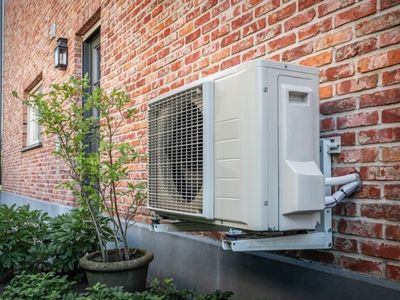 Heat pumps are heating and cooling all wrapped up in one unit. The name heat pump comes from the fact that it is designed to move heat from one location to another. In summer, the heat is taken from the inside and moved outside. In winter, the heat from the outside (though minimal) is drawn into the inside. This means that the heat pump uses the environmental temperatures to condition the air instead of being the actual heating or cooling source. There are several different types of heat pumps, and they are discussed in the list below:
- Air Source Heat Pump: This pump takes heat from the air outside the home. These look similar to a traditional central heating or cooling system and have many of the same parts, but they pull heat even from the coldest air and keep the home's inside warm and toasty.
- Water Source Heat Pump: Instead of pulling heat from the air, this heat pump gets heat from a closed water loop. It can be connected to a home water heating system but still has a closed loop of water that helps heat and cool the home.
- Geothermal Heat Pump: In the geothermal system, the loop of coolant that collects the heat goes from the house to a system of tubes underground. These tubes or pipes must be at a certain depth below the ground to reach an area of stable temperature. In cold weather, heat is drawn from the earth; in high temperatures, heat is drawn from the home and released below the ground. Geothermal heating is incredibly efficient.
Why Go With Ductless Heat?
One reason that heat pumps are so efficient is the lack of ducts. Traditional HVAC systems blow temperature-controlled air from a central point through ducts to heat and cool a home. The mini split heat pump, on the other hand, connects to multiple temperature zones via copper tubing. The only downside to the heat pump is that air comes in at cooler temperatures than the traditional heater, so there is no spot to warm hands and feet when coming in from the cold. The advantages of ductless heat pumps include the following:
- Lower energy costs
- Not as noisy as traditional systems
- Easier to service
- Temperature zones allow for different comfort levels and increase efficiency
Energy Efficient Heat Means Lower Bills
 Even though the initial cost of a new heating system may be intimidating, the savings will show in the long run. The system's cost will be lower, and it will eventually pay for itself. The efficiency of these systems is the best thing about them, and they can be adapted to almost any space.
About Atlantic Heating & Air Conditioning
Atlantic Heating & Air Conditioning has served the Greater Boston, MA area for 60 years. Offering 24/7 emergency HVAC services and individualized solutions to each customer's problem, their trustworthy techs and peace of mind are just a phone call away.
)
)
)
Distribution Links +
- htv10.tv
- wicz.com
- central.newschannelnebraska.com
- metro.newschannelnebraska.com
- midplains.newschannelnebraska.com
- northeast.newschannelnebraska.com
- plattevalley.newschannelnebraska.com
- panhandle.newschannelnebraska.com
- lifestyle.mykmlk.com
- lifestyle.3wzfm.com
- lifestyle.southernsportstoday.com
- lifestyle.thepodcastpark.com
- lifestyle.680thefan.com
- lifestyle.xtra1063.com
- lifestyle.953hlf.com
- lifestyle.rewind1019.com
- lifestyle.us983.com
- lifestyle.countrylegends1059.com
- lifestyle.967wshv.com
- lifestyle.1045thedan.com
- michigan.yournewsnet.com
- lifestyle.earl983.com
- lifestyle.maverick1023.com
- lifestyle.magic979wtrg.com
- lifestyle.1077lakefm.com


